

Western societies seem to be extraordinarily crisis-prone. We are in some kind of a crisis at all times and somehow our dear leaders appear incapable of turning things around. Instead, things keep getting progressively worse, while our leaders keep preoccupied with whom or what to blame: it’s Joe Biden and the Democrats, it’s the “socialists,” it’s the Muslims, the Chinese, the Russians… If only we could be rid of those rotten people, everything would go back to being great again!
But we seldom hear any discussion about possible systemic causes of all these cascading crises. What if the system itself is rotten and generates the crises itself? In any economy, it is ultimately its human participants who create all the products and services, who build all the infrastructure and technology. If the system is reeling, is it because everyone has turned lazy, or has the productivity of labor deteriorated for some reason? That doesn’t seem to be the case:
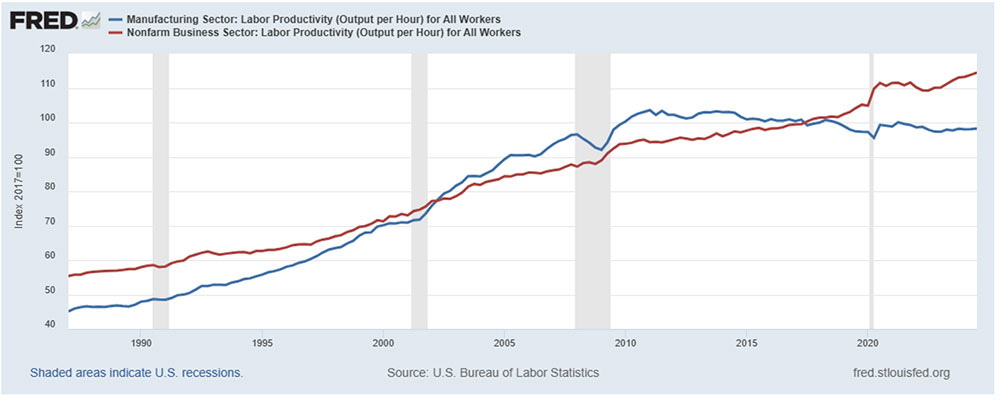
Evidently, US productivity of labor has been steadily increasing for decades: the same amount of labor is producing ever more economic value. Even though manufacturing sector has lagged, the decline has been very marginal, while the overall nonfarm business sector productivity continued to soar. Given the technological advances we had over this period, along with the abundance of affordable energy to power the machines and computers, that effect could be expected.
The sickness is systemic
For some reason however, most people are not better off. To the contrary, most of them are progressively worse off. They are able to set aside less and less in savings and are increasingly obliged to use their credit cards to make ends meet:
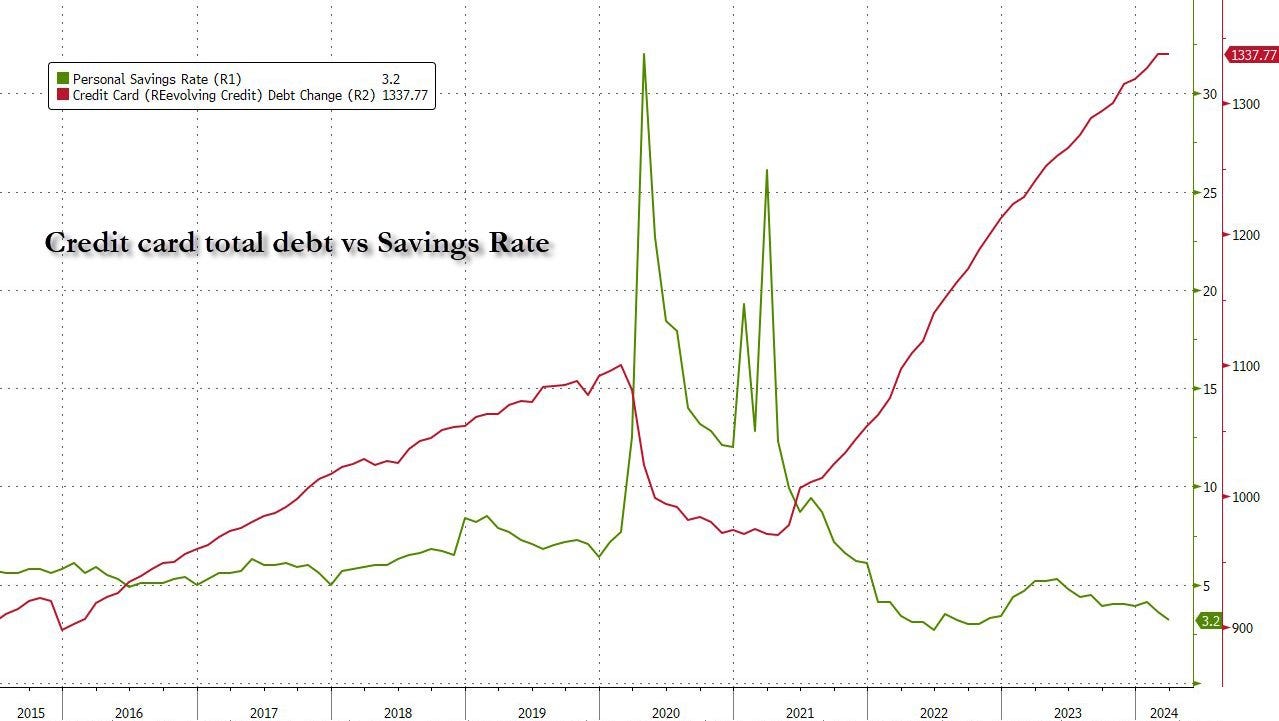
Depressingly many observers dismiss all this as a temporary situation, or to blame those who are facing financial difficulties for their own problems. But if such problems are afflicting an ever greater proportion of the population, perhaps it is the economy’s operating system itself that to blame.
Even the coldest of the cold-hearted capitalists should recognize that a business - any business - is more likely to be successful if all participants in the system have abundant purchasing power. Apparrel producers might sell more products at higher prices; movie studios will sell more tickets; hotels and restaurants will fill more rooms and tables, and car manufacturers can sell more cars. By contrast, if people’s purchasing power is progressively reduced, all these businesses might have to cut prices, or output, or both. Or they may fail and go out of business.
That forces many businesses to seek growth by elbowing their way to government purse. That’s the beginnings of state capitalism, which is what such fine societies as the USSR practiced. For example, German car manufacturers are now increasingly shutting down their traditional production facilities and rushing to build weapons to sell to the government instead.
Even Porsche has been announcing progressively more cuts to their workforce and production. According to yesterday’s announcement, Porsche’s profit margins collapsed from 18% to 1.1%. The company is now planning to reduce output and cut 1 in 5 jobs. Few people would argue that Porsche builds shoddy products, or that car buyers don’t wish to buy them.
The deflationary death spiral
It is important to recognize that if many companies cut their production and workforce, there will be still less purchasing power available in the economy in the next period, forcing further cuts next year in a self-reinforcing cycle that some economists call the deflationary death spiral. The only way to arrest this progression is for the government to step into the game as a participant, to raise debt and spend it, creating artificial demand where organic demand is slowly dying. In this way, governments invariably distort the economic process and decide the winners and the losers in the marketplace.
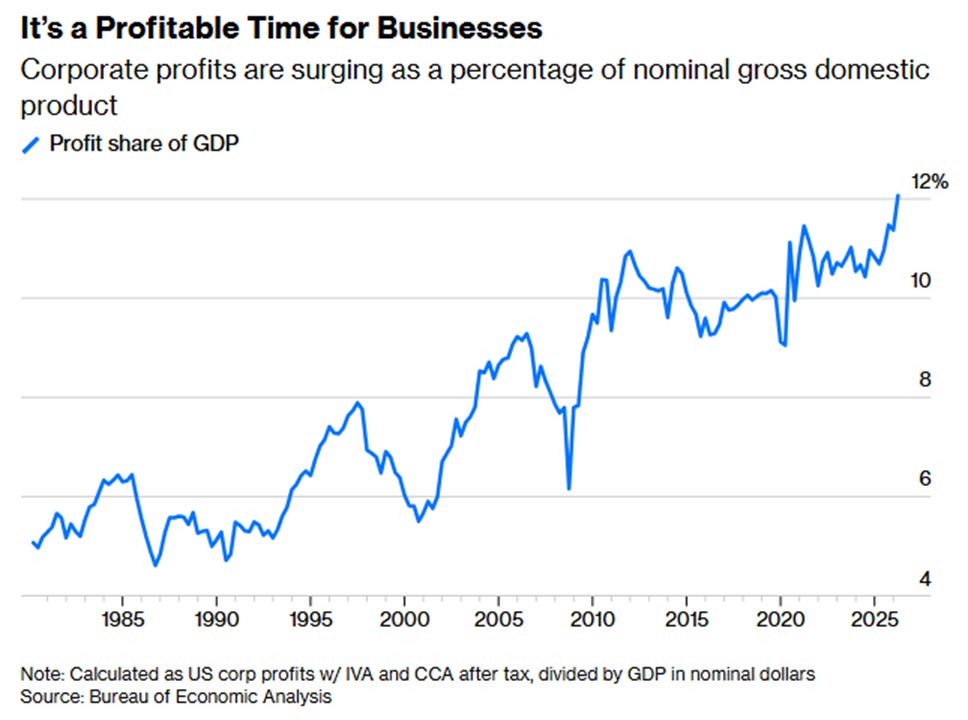
In that system, nepotism and naked corruption suffocate economic growth. Success in business no longer depends on innovation and productivity, so the whole system begins to lose competitiveness. Increasingly, those with closest ties to the government turn the most prosperous, regardless of the quality or prices of their products or services. That, in turn leads to further polarization of wealth in society:
The winners also tend to have the strongest political influence and the decisive role in shaping its future:
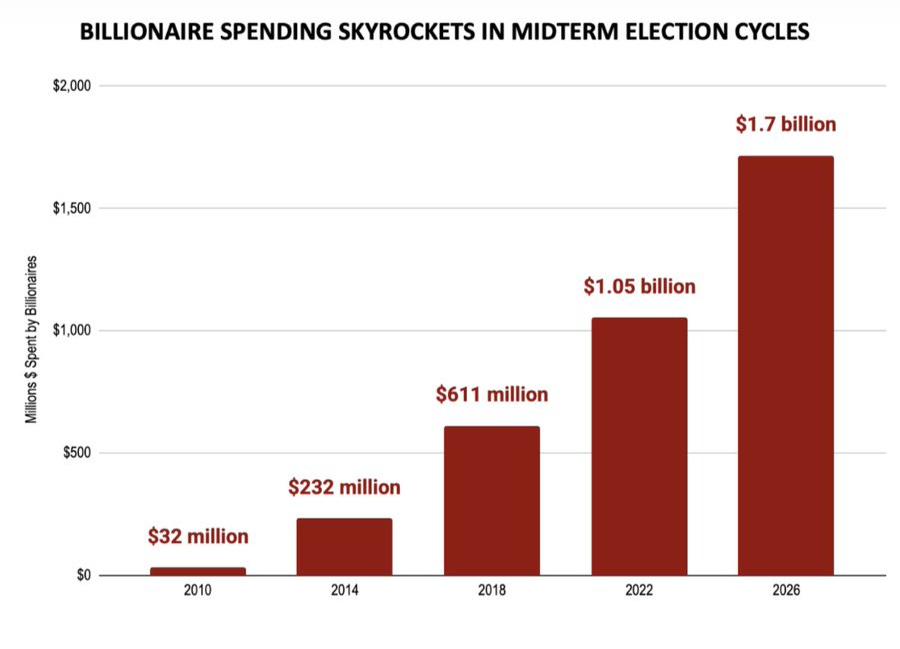
When the most privileged people in society move to gain political influence, they don’t do so in order to reduce their privilege and to fight for the oppressed and marginalized segments. They do it to enhance their privileges and shift the burdens of society onto the shoulders of the oppressed and marginalized groups:
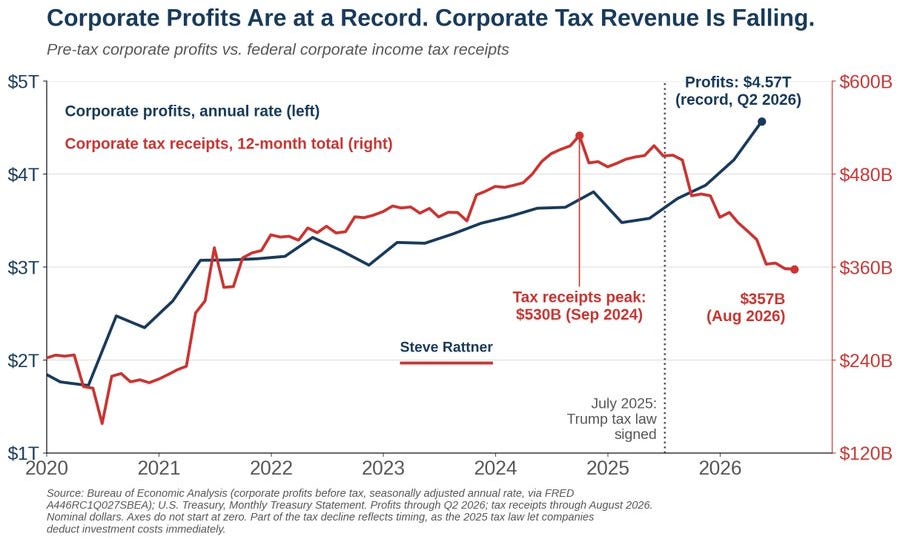
In all, more and more indicators make it clear that the polarization in American society (as well as other Western nations) is only growing worse and any off-ramp seems illusory. By “off-ramp,” I mean a point where the haves might stop and wonder whether they have enough and whether perhaps the have-nots have too little. It seems that the system doesn’t allow for any such course correction, absent some radical change that could come on the back of a revolution or a civil war.
Don’t fix the system - get rid of the poor!
There being no off-ramps to this progression, it’s understandable what would lead such nice people as Bill Gates and Jeffrey Epstein to ponder, “How do we get rid of poor people as a whole…” It’s about 100% probable that Gates and Epstein weren’t the first, or the only two people pondering that same problem. We can safely assume that many people of that caliber pondered that problem, sought “solutions,” explored ideas and formulated plans.
Regardless of all that, the takeway should be this: the crisis will not take care of itself; the polarization of wealth will not reverse course, and the polycrisis will not be resolved with business-as-usual measures. We definitely won’t be able to vote our way out. Therefore, we should expect the situation to continue to fester, periodically giving way to acute crises and visible manifestations of deterioration. All this in spite of advancing technology and staggering growth in the productivity of labor. Evidently, the issues are systemic and the system is rigged.
To learn more about TrendCompass reports please check our main TrendCompass web page. We encourage you to also have a read through our TrendCompass User Manual page. For U.S. investors: an investable, fully managed portfolio based on I-System TrendFollowing is available from our partner advisory (more about it here).

Today’s trading signals
With yesterday’s closing prices we have the following changes for the Key Markets portfolio:
